Retinova Eye Care Centre Eye Hospital Logo
Common Eye Problems: Symptoms, Causes, and Treatment Options | Retinova Eye Care Centre

Common Eye Problems: Symptoms, Causes, and Treatment Options | Retinova Eye Care Centre

Common Eye Problems: Symptoms, Causes, and Treatment Options


Our eyes are among the most important organs in the body, allowing us to perform daily activities such as reading, driving, working, and enjoying life's experiences. However, eye problems are becoming increasingly common due to aging, lifestyle changes, increased screen time, and underlying health conditions.

Many eye conditions begin with mild symptoms that are often ignored until they start affecting vision significantly. Early diagnosis and treatment can help prevent complications and protect long-term eye health.

Why Eye Health Should Never Be Ignored

In this article, we'll discuss some of the most common eye problems, their symptoms, possible causes, and treatment options available.

Many serious eye diseases develop gradually and may not show noticeable symptoms in their early stages. Conditions such as glaucoma, diabetic retinopathy, and age-related macular degeneration can silently damage vision over time.

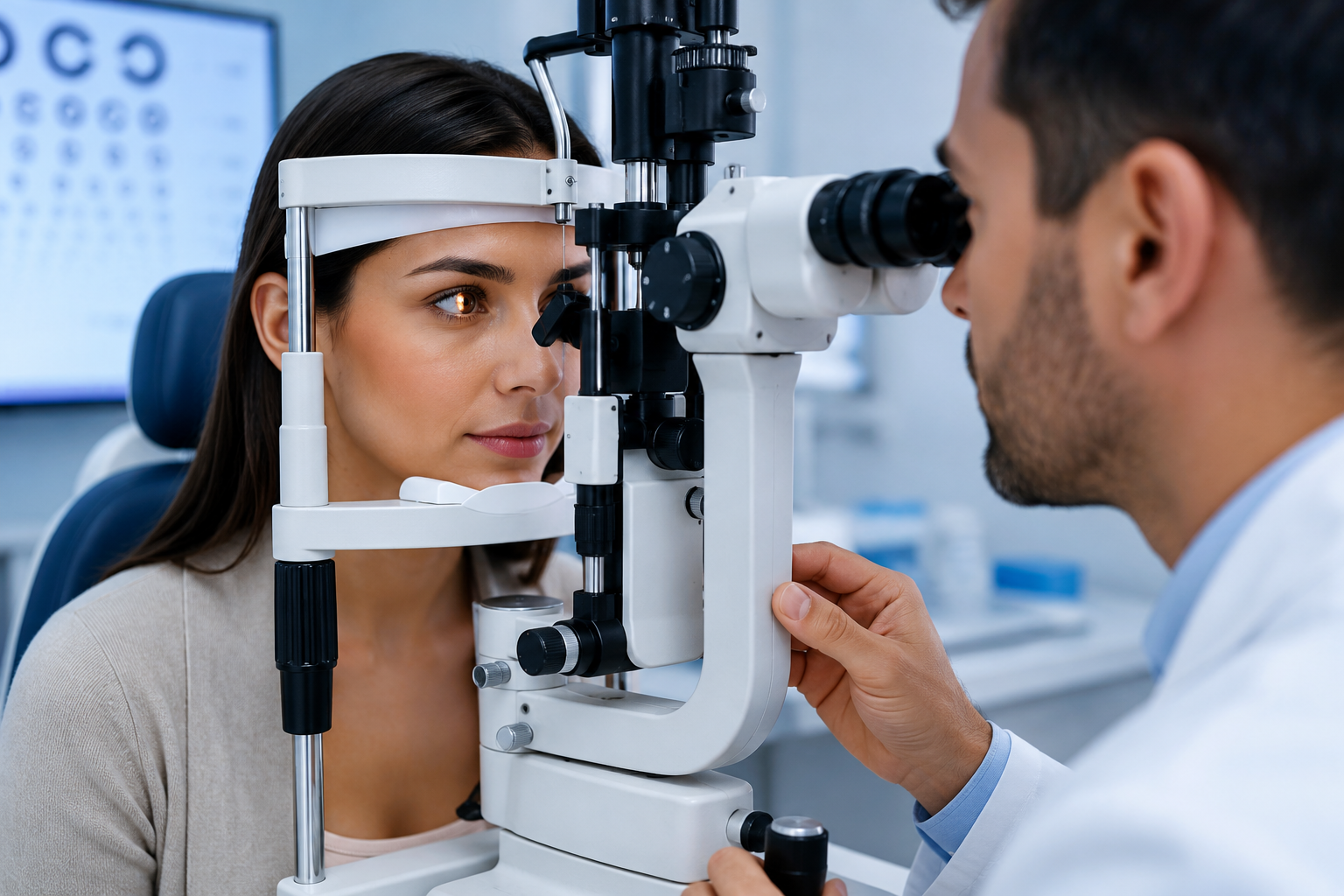
Regular eye examinations help:

● Detect eye diseases early
● Prevent vision loss
● Improve treatment outcomes
● Monitor overall eye health
● Identify underlying health conditions

Seeking timely medical attention for eye symptoms can make a significant difference in preserving vision.

1. Refractive Errors

Refractive errors are among the most common eye conditions worldwide. They occur when the eye cannot focus light properly onto the retina.

Types of Refractive Errors

Myopia (Nearsightedness)

People with myopia can see nearby objects clearly but have difficulty seeing distant objects.

Symptoms:

● Blurred distance vision
● Squinting
● Frequent headaches
● Eye strain

Hyperopia (Farsightedness)

People with hyperopia may have difficulty focusing on nearby objects.

Symptoms:

● Blurred near vision
● Eye fatigue
● Reading difficulties

Astigmatism

Astigmatism occurs when the cornea has an irregular shape.

Symptoms:

● Blurred vision at all distances
● Headaches
● Eye discomfort

Presbyopia

An age-related condition that affects near vision, usually after age 40.

Symptoms:

● Difficulty reading small print
● Holding reading materials farther away

Treatment

● Prescription glasses
● Contact lenses
● Refractive surgery (in suitable candidates)

2. Dry Eye Syndrome

Dry eye syndrome occurs when the eyes do not produce enough tears or when tears evaporate too quickly.

Symptoms

● Burning sensation
● Itching
● Redness
● Blurred vision
● Feeling of something in the eye

Causes

● Prolonged screen use
● Aging
● Air conditioning
● Certain medications
● Hormonal changes

Treatment

● Artificial tears
● Lifestyle modifications
● Prescription eye drops
● Improved screen habits

3. Cataracts

A cataract occurs when the natural lens of the eye becomes cloudy, affecting vision.
Symptoms

● Blurred vision
● Increased sensitivity to light
● Difficulty seeing at night
● Faded colors
● Frequent prescription changes

Risk Factors

● Aging
● Diabetes
● Smoking
● UV exposure
● Family history

Treatment

In the early stages, stronger glasses may help. However, cataract surgery remains the most effective treatment when vision becomes significantly affected.

4. Glaucoma

Glaucoma is a group of eye diseases that damage the optic nerve, often due to increased eye pressure.

It is commonly known as the "silent thief of sight" because it may not cause symptoms until significant vision loss has occurred.

Symptoms

Early stages may have no symptoms.

Advanced stages may cause:

● Loss of peripheral vision
● Tunnel vision
● Eye pain (in acute cases)
● Headaches

Risk Factors

● Age above 40
● Family history
● Diabetes
● High eye pressure

Treatment

● Eye drops
● Laser treatment
● Surgery

Early detection through regular screening is critical.

5. Conjunctivitis (Pink Eye)

Conjunctivitis is inflammation of the conjunctiva, the thin membrane covering the white part of the eye.

Symptoms

● Redness
● Watery eyes
● Discharge
● Itching
● Swelling

Causes

● Viral infections
● Bacterial infections
● Allergies
Treatment

Treatment depends on the cause and may include:

● Lubricating drops
● Antibiotics (for bacterial infections)
● Allergy management

6. Diabetic Retinopathy

Diabetic retinopathy occurs when high blood sugar damages retinal blood vessels.

It is one of the leading causes of vision loss among adults with diabetes.

Symptoms

Early stages may show no symptoms.

Later symptoms may include:

● Blurred vision
● Floaters
● Vision fluctuations
● Vision loss
Risk Factors

● Long-term diabetes
● Poor blood sugar control
● High blood pressure

Treatment

● Blood sugar management
● Retinal laser treatment
● Intravitreal injections
● Retina surgery in advanced cases

Regular retinal screening is essential for diabetic patients.

7. Age-Related Macular Degeneration (AMD)

AMD affects the macula, the central part of the retina responsible for sharp vision.

Symptoms

● Blurred central vision
● Difficulty reading
● Distorted images
● Reduced ability to recognize faces

Risk Factors

● Aging
● Smoking
● Family history
● Poor diet

Treatment

Depending on the type and severity:

● Nutritional supplements
● Injections
● Lifestyle modifications

Early diagnosis improves management outcomes.

8. Retinal Detachment

Retinal detachment is a serious eye emergency that occurs when the retina separates from its normal position.

Symptoms

● Sudden flashes of light
● Increase in floaters
● Shadow or curtain over vision
● Sudden vision loss

Treatment

Immediate medical attention is required.

Treatment may involve:

● Laser procedures
● Cryotherapy
● Vitrectomy surgery
scleral buckle surgery 

Prompt treatment can help preserve vision.

9. Computer Vision Syndrome

In today's digital world, many individuals spend long hours looking at screens.

Symptoms

● Eye strain
● Headaches
● Dry eyes
● Blurred vision
● Neck pain

Prevention

● Follow the 20-20-20 rule
● Use proper lighting
● Maintain correct screen distance
● Blink frequently
When Should You Visit an Eye Specialist?

Schedule an eye examination immediately if you experience:

● Sudden vision changes
● Eye pain
● Persistent redness
● Flashes or floaters
● Double vision
● Difficulty seeing at night
● Frequent headaches related to vision

Early intervention often leads to better treatment outcomes.

How to Maintain Healthy Eyes

Simple daily habits can help protect your vision.

Eye Care Tips

● Get regular eye examinations
● Eat a balanced diet rich in vitamins
● Wear UV-protective sunglasses
● Stay hydrated
● Control diabetes and blood pressure
● Avoid smoking
● Limit excessive screen time

Frequently Asked Questions

What is the most common eye problem?

Refractive errors such as myopia, hyperopia, and astigmatism are among the most common eye conditions.

Can eye diseases develop without symptoms?

Yes. Conditions such as glaucoma and diabetic retinopathy often progress without noticeable symptoms in their early stages.

How often should I get an eye examination?

Most adults should undergo a comprehensive eye examination every one to two years.

Are floaters always dangerous?

Occasional floaters are common, but a sudden increase in floaters accompanied by flashes requires immediate medical evaluation.

Can screen time damage eyesight?
Excessive screen use may contribute to digital eye strain, dryness, and discomfort, although it does not directly cause permanent vision loss.

Key Takeaways

● Many common eye problems can be managed successfully with early diagnosis.
● Regular eye examinations are essential for detecting diseases before symptoms appear.
● Conditions such as glaucoma, diabetic retinopathy, and AMD require ongoing monitoring.
● Healthy lifestyle habits support long-term eye health.
● Seek immediate medical attention for sudden vision changes or eye pain.

Conclusion

Eye problems can affect individuals of all ages, but many conditions can be treated effectively when detected early. Understanding the symptoms of common eye diseases and scheduling regular eye examinations can help preserve vision and improve quality of life.

Whether you're experiencing blurred vision, eye strain, redness, or other symptoms, consulting an experienced eye specialist is the best way to protect your eyesight.

Schedule an Eye Examination at Retinova Eye Care Centre

At Retinova Eye Care Centre, Hyderabad, our experienced ophthalmologists provide comprehensive eye care services, advanced diagnostic testing, retina care, glaucoma screening, and treatment for a wide range of eye conditions. Early diagnosis and expert care can make a significant difference in maintaining healthy vision for life.