


Glaucoma Treatment in Hyderabad
Comprehensive Glaucoma Care at Retinova Eye Care Centre
Glaucoma Treatment at Retinova Eye Care Centre, Hyderabad focuses on early detection, effective pressure control, and long-term management of glaucoma to protect patients from permanent vision loss. Glaucoma is a serious eye condition that causes progressive damage to the optic nerve, usually due to increased intraocular pressure (IOP) inside the eye. The optic nerve plays a crucial role in transmitting visual signals from the eye to the brain, and damage to this nerve can lead to gradual and irreversible vision loss.
Glaucoma is often called the “silent thief of sight” because it may develop slowly without noticeable symptoms in the early stages. At Retinova Eye Care Centre, Hyderabad, advanced diagnostic equipment and experienced ophthalmologists help detect glaucoma early and provide timely treatment to protect vision.
What Is Glaucoma?
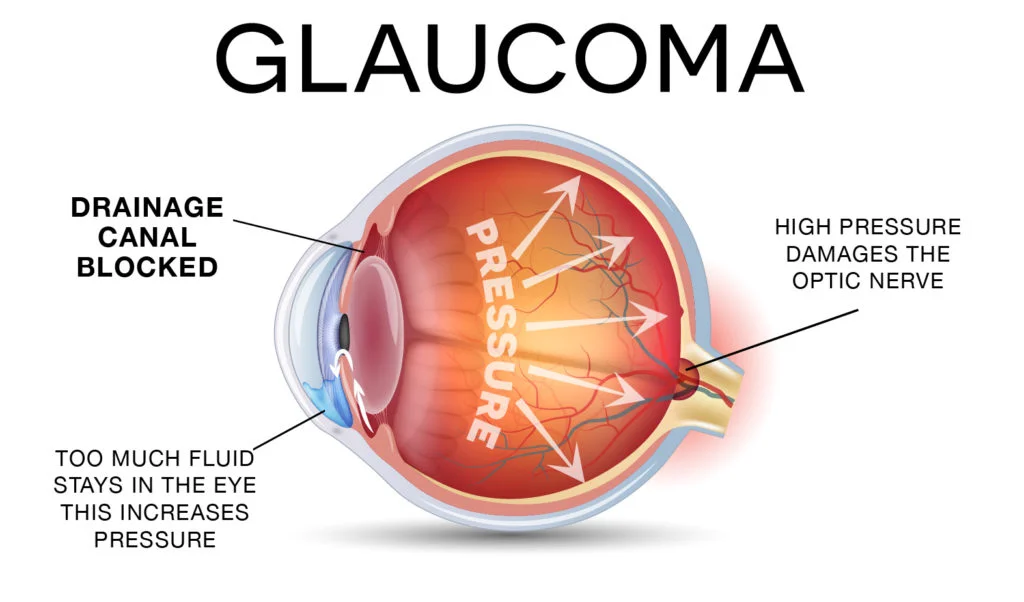
Glaucoma is a group of eye diseases that damage the optic nerve due to increased pressure inside the eye. The fluid inside the eye normally drains through a specific channel, but when this drainage system does not function properly, intraocular pressure builds up and begins to damage the optic nerve.
Since optic nerve damage cannot be reversed, early diagnosis and proper treatment are extremely important. With regular eye checkups and appropriate medical care at Retinova Eye Care Centre, Hyderabad, the progression of glaucoma can be controlled and vision can be preserved.
Types of Glaucoma?
Glaucoma mainly occurs in two major forms.
1.Open Angle Glaucoma
Open angle glaucoma is the most common type. It develops slowly over time and usually does not produce noticeable symptoms in the early stages. The drainage channels of the eye become less efficient, leading to a gradual increase in intraocular pressure.
2.Angle Closure Glaucoma
Angle closure glaucoma occurs when the drainage angle inside the eye suddenly becomes blocked. This causes a rapid rise in eye pressure and leads to severe symptoms. Acute angle closure glaucoma is considered a medical emergency and requires immediate treatment to prevent permanent vision loss.
Causes of Glaucoma
Glaucoma is mainly caused by increased intraocular pressure inside the eye. When the eye’s drainage system does not function properly, fluid accumulates inside the eye and creates pressure that damages the optic nerve
Although increased eye pressure is the most common cause, glaucoma can also develop due to other factors such as reduced blood supply to the optic nerve or structural abnormalities in the eye.
Symptoms That May Indicate Glaucoma
In many cases, glaucoma develops without noticeable symptoms in the early stages, which is why regular eye examinations are very important.
For open angle glaucoma, vision loss usually happens gradually and affects peripheral vision first. Patients may not notice the problem until the condition has progressed significantly.
In cases of acute angle closure glaucoma, symptoms may appear suddenly. These symptoms can include severe eye pain, redness in the eye, blurred vision, headache, seeing halos around lights, and sometimes nausea or vomiting. Immediate medical treatment is required in such cases.
Risk Factors for Glaucoma
Several factors can increase the risk of developing glaucoma.
A strong family history of glaucoma is one of the most important risk factors, as the condition can run in families. Individuals with high hypermetropia (farsightedness or short eyeballs) are also more prone to certain types of glaucoma.
Other risk factors include increasing age, high intraocular pressure, diabetes, long-term use of steroid medications, and certain eye conditions. People with these risk factors should undergo regular eye checkups to detect glaucoma at an early stage.
How is Glaucoma Diagnosed?
Glaucoma is usually detected during a comprehensive eye examination performed by an ophthalmologist. At Retinova Eye Care Centre, Hyderabad, advanced diagnostic technology is used to accurately evaluate eye pressure and optic nerve health.
Several tests are performed to confirm glaucoma. These may include intraocular pressure (IOP) measurement, corneal thickness evaluation, and visual field testing to assess peripheral vision. These diagnostic tests help doctors determine the severity of glaucoma and decide the most suitable treatment plan.
Treatment Options for Glaucoma
Medication (Eye Drops)
Prescription eye drops are usually the first step in managing glaucoma. These medications help lower intraocular pressure by either reducing the production of fluid inside the eye or improving the drainage of fluid, helping to protect the optic nerve from further damage.
Laser Therapy
Laser treatments such as Selective Laser Trabeculoplasty (SLT) and Laser Peripheral Iridotomy (LPI) are commonly used to control eye pressure. These procedures help improve the natural drainage of fluid from the eye, which in turn helps maintain healthier intraocular pressure levels.
Advanced Glaucoma Diagnosis and Care
Retinova Eye Care Centre, Hyderabad is equipped with advanced diagnostic technology for accurate glaucoma detection and management. Our experienced ophthalmologists provide comprehensive glaucoma evaluation, early diagnosis, and continuous monitoring to protect patients from vision loss.
Through modern diagnostic tools, personalized treatment plans, and regular follow-up care, Retinova Eye Care Centre ensures effective glaucoma management and helps patients maintain long-term eye health and quality vision.
Why Choose Retinova Eye Care Centre for Glaucoma Treatment in Hyderabad?
Specialized Glaucoma Experts
Our ophthalmologists are experienced in diagnosing and managing all types of glaucoma with precision and personalized care.
Advanced Diagnostic Technology
We use tonometry, visual field analysis, OCT nerve fiber scanning, and optic nerve imaging for accurate and early detection.
Customized Treatment Options
Glaucoma management may include medicated eye drops, laser treatment, or minimally invasive glaucoma surgery depending on the condition.
Ongoing Monitoring & Care
Regular follow-up visits help monitor eye pressure and optic nerve health to prevent disease progression.
Frequently asked Questions About Glaucoma Treatment
Glaucoma cannot be reversed, but early treatment helps control eye pressure and prevent further optic nerve damage.
People above 40 years, diabetics, individuals with family history of glaucoma, and those with high eye pressure should undergo regular screening.
Treatment options include prescription eye drops, laser therapy, and surgical procedures to lower intraocular pressure.
Glaucoma patients require regular follow-ups to monitor eye pressure, optic nerve condition, and visual fields.