
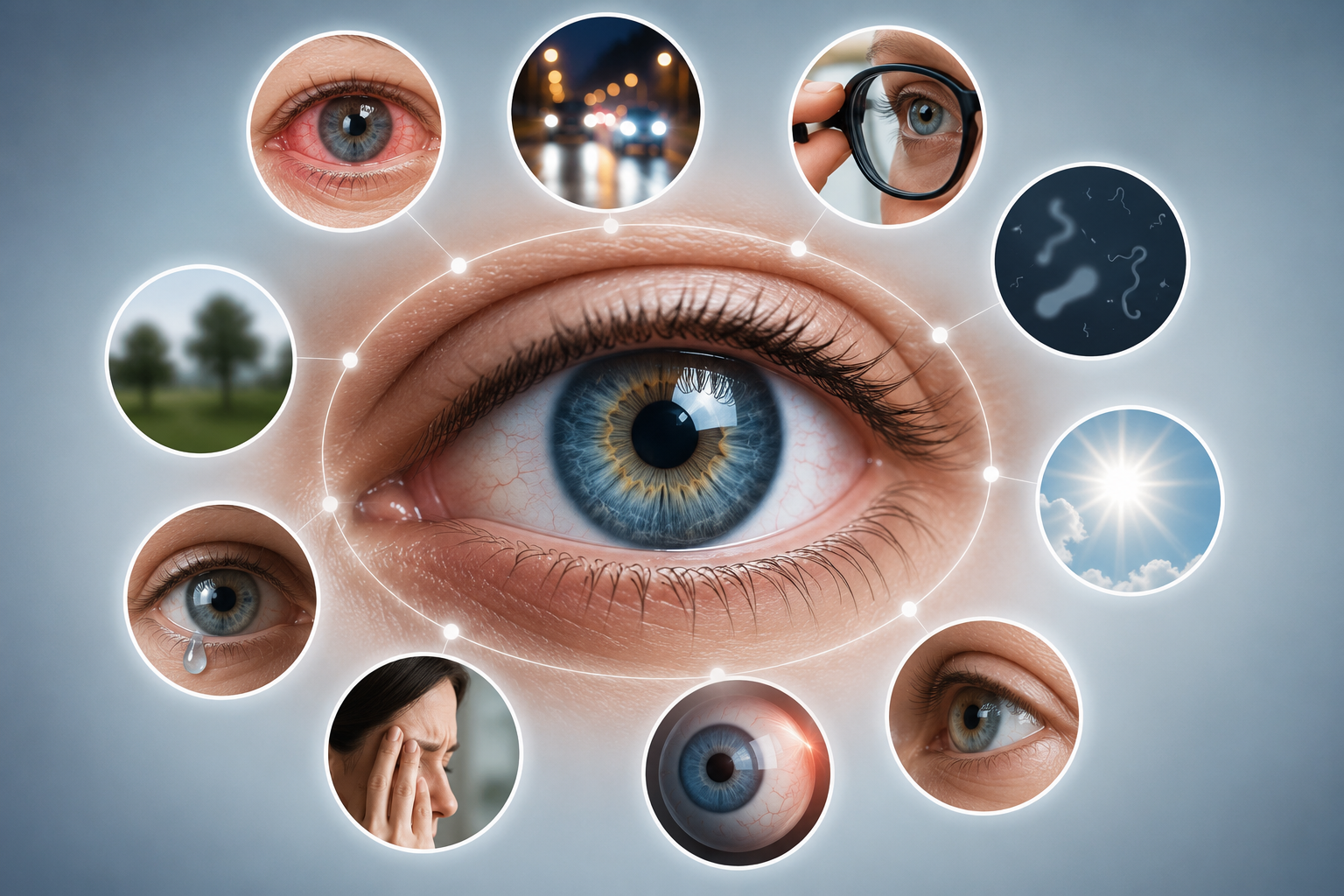
10 Warning Signs You Need an Eye Check-Up Immediately
Your eyes play a vital role in your everyday life, helping you work, drive, read, and enjoy the world around you. However, many people ignore early symptoms of eye problems until they begin affecting their daily activities. Unfortunately, delaying an eye examination can sometimes lead to serious vision complications that may have been prevented with timely diagnosis and treatment.
Regular eye check-ups are essential for maintaining good vision and detecting eye diseases early. Certain symptoms should never be ignored, as they may indicate underlying eye conditions that require immediate medical attention.
In this article, we discuss ten warning signs that suggest it's time to schedule an eye examination with an eye specialist.
Why Regular Eye Check-Ups Matter
Many eye conditions develop gradually and may not show obvious symptoms in their early stages. Diseases such as glaucoma, diabetic retinopathy, cataracts, and age-related macular degeneration can silently affect your vision before noticeable problems occur.
Routine eye examinations help:
Detect eye diseases early
Monitor changes in vision
Prevent vision loss
Ensure accurate prescription updates
Blurred vision is one of the most common reasons people seek eye care. If objects appear out of focus or you struggle to read signs, books, or digital screens, it may indicate:
Refractive errors (myopia, hyperopia, astigmatism)
Cataracts
Dry eye syndrome
Retinal disorders
Sudden or worsening blurred vision should always be evaluated by an eye specialist.
2. Frequent Headaches
Persistent headaches can sometimes be linked to uncorrected vision problems. When your eyes strain to focus, it can place extra stress on the visual system, leading to recurring headaches.
Common causes include:
Eye strain
Incorrect eyeglass prescription
Digital eye fatigue
Binocular vision problems
An eye examination can determine whether your headaches are related to vision issues.
3. Difficulty Seeing at Night
Do you find driving at night increasingly challenging? Difficulty seeing in low-light conditions may be a sign of:
Cataracts
Vitamin A deficiency
Retinal disorders
Glaucoma
Night vision problems often develop gradually, making regular eye examinations particularly important.
4. Eye Pain or Discomfort
Eye pain should never be ignored. While mild discomfort may result from fatigue or dryness, persistent pain can indicate more serious conditions such as:
Glaucoma
Corneal infections
Eye injuries
Inflammation
Immediate medical attention is recommended if eye pain is severe or accompanied by vision changes.
5. Seeing Flashes or Floaters
Occasional floaters are common and usually harmless. However, a sudden increase in floaters or flashes of light may indicate:
Retinal tears
Retinal detachment
Vitreous changes
These symptoms can be vision-threatening if left untreated and require urgent evaluation by a retina specialist.
6. Double Vision
Double vision, also known as diplopia, can affect one or both eyes and may result from:
Eye muscle problems
Nerve disorders
Cataracts
Corneal abnormalities
Because double vision may sometimes indicate serious neurological or eye conditions, prompt examination is important.
7. Redness That Doesn't Go Away
Temporary redness may occur due to allergies, irritation, or lack of sleep. However, persistent redness could signal:
Eye infections
Inflammation
Dry eye disease
Glaucoma
If redness persists for several days or is accompanied by pain or discharge, consult an eye specialist.
8. Increased Sensitivity to Light
Light sensitivity, also known as photophobia, can make everyday activities uncomfortable.
Possible causes include:
Corneal disorders
Eye infections
Dry eyes
Migraine-related visual symptoms
An eye examination can help identify the underlying cause and appropriate treatment.
9. Difficulty Reading or Focusing on Nearby Objects
Many adults begin experiencing near-vision difficulties after the age of 40 due to presbyopia, a natural age-related change in the eye.
Symptoms include:
Holding reading materials farther away
Difficulty reading small print
Eye strain while reading
Prescription reading glasses or other vision correction options may help improve comfort and clarity.
10. Sudden Vision Changes
Any sudden change in vision should be treated as a medical emergency.
Seek immediate eye care if you experience:
Sudden vision loss
Partial loss of vision
Distorted vision
Sudden blind spots
These symptoms may indicate serious conditions such as retinal detachment, stroke, or advanced glaucoma.
Who Should Get Regular Eye Examinations?
While anyone experiencing the above symptoms should seek medical attention, certain individuals should prioritize routine eye check-ups:
People over 40 years of age
Individuals with diabetes
Patients with hypertension
Those with a family history of glaucoma
Contact lens users
Children with learning or vision difficulties
Individuals who spend long hours on digital devices